
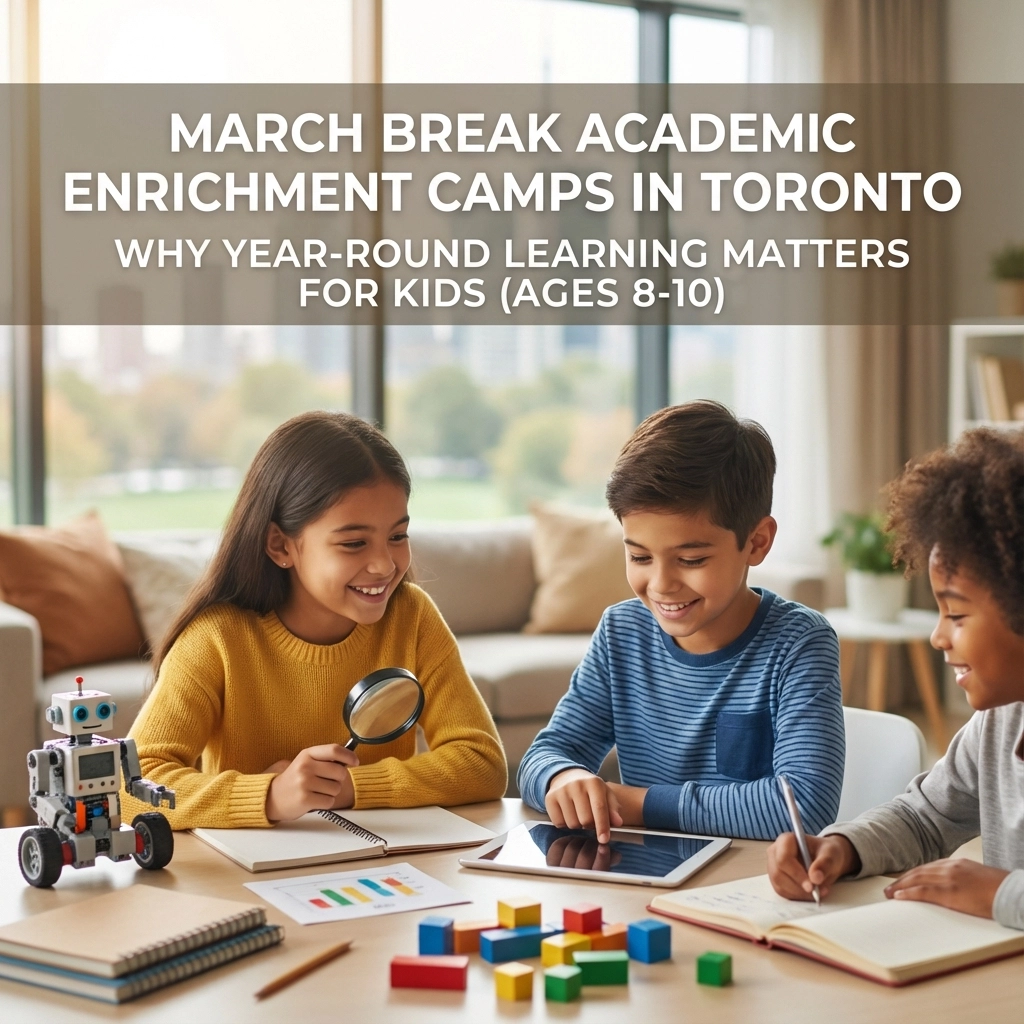
As parents across the Greater Toronto Area gear up for March Break 2026, a crucial question emerges: should this week-long pause from regular schooling be purely recreational, or can it serve as an opportunity for continued academic growth? The answer lies in understanding the profound impact that march break academic camps can have on your child’s educational journey, particularly for children ages 8-10 who are at a critical developmental stage.
Research from the Ontario Institute for Studies in Education demonstrates that children can lose up to 2.6 months of grade-level equivalency in mathematical computation skills during extended breaks from learning. For parents seeking enrichment programs for kids that bridge this gap while maintaining the joy and excitement of school holidays, Toronto’s academic enrichment camps offer an ideal solution.
The Critical Learning Window: Why Ages 8-10 Matter
Children between ages 8 and 10 exist in what educational psychologists call the “concrete operational stage” of cognitive development. During this pivotal period, young minds are primed for systematic learning, logical thinking, and skill consolidation. According to research published in the Journal of Educational Psychology, this age group shows remarkable neuroplasticity – their brains are exceptionally capable of forming new neural pathways and strengthening existing ones through consistent, engaging educational experiences.
Authoritative research identifies ages 8-10 within middle childhood’s concrete operational stage as a prime window for academic enrichment: children’s expanding executive functions support engagement with more complex ideas while curiosity-driven learning remains especially high (Best & Miller, 2010; Jirout & Klahr, 2012; CDC).
During traditional March Break periods, this cognitive momentum can stagnate. The phenomenon known as “summer learning loss” extends beyond the summer months – any extended break from structured learning can result in skill regression, particularly in mathematics, reading comprehension, and critical thinking abilities.
Academic enrichment programs specifically designed for this age group recognize these developmental realities and create learning environments that nurture continued growth while respecting children’s need for variety and engagement.
The Science Behind Year-Round Learning
Educational neuroscience has revealed compelling evidence about the importance of consistent intellectual stimulation. Research conducted by the Learning Policy Institute shows that students who engage in structured learning activities during school breaks demonstrate:
- better retention of mathematical concepts
- improvement in reading fluency maintenance
- stronger problem-solving capabilities when returning to regular school
- enhanced executive function skills including working memory and cognitive flexibility

The concept of “cognitive momentum” plays a crucial role here. When children maintain regular engagement with academic material, their brains continue to strengthen the neural pathways associated with learning. This process, known as myelination, improves the speed and efficiency of neural communication, leading to better academic performance overall.
The March Break Challenge
March Break presents unique challenges for families. Unlike summer vacation, which offers numerous extended program options, the one-week March Break period requires carefully designed programming that maximizes learning impact within a compressed timeframe.
Research from the Ontario Ministry of Education indicates that after a week-long break from academic activities, children require an average of 3.2 days to re-establish their learning rhythm upon returning to school. This “re-entry period” can be significantly reduced when children participate in academically enriching activities during their break.
The key lies in finding spring break activities for children that maintain academic engagement without feeling like traditional school. The most effective programs blend learning with play, discovery with structure, and academic growth with social development.
Understanding March Break Academic Camps
March break academic camps represent a specialized form of educational programming designed to bridge the gap between formal schooling and recreational activities. These programs maintain academic engagement while providing the variety and excitement that children crave during their school holiday.
Key Components of Effective Academic Camps
Effective academic enrichment camps for ages 8-10 incorporate several essential elements:
Structured Learning Modules: Rather than isolated activities, quality programs offer sequential learning experiences that build upon each other throughout the week. These modules often integrate multiple subject areas, encouraging children to see connections between different fields of knowledge.
Hands-On Exploration: At ages 8-10, children learn most effectively through direct manipulation and experimentation. The best academic camps provide tactile, kinesthetic learning experiences that engage multiple senses and learning modalities.
Social Learning Opportunities: Peer interaction enhances academic development. Collaborative projects, group problem-solving, and peer teaching opportunities help children consolidate their understanding while developing crucial social skills.
Individualized Attention: Small group sizes and favorable instructor-to-student ratios ensure that each child receives personalized guidance and support, allowing for differentiated instruction that meets diverse learning needs.
Real-World Application: Programs that connect academic concepts to real-world scenarios help children understand the relevance and importance of their learning, increasing motivation and retention.

The Toronto Landscape: Academic Camp Options
Toronto offers a rich ecosystem of enrichment programs for kids during March Break. The diversity of options reflects the city’s commitment to educational excellence and innovation:
STEM-Focused Programs: Many camps emphasize science, technology, engineering, and mathematics through hands-on experiments, coding activities, and engineering challenges. These programs capitalize on children’s natural curiosity about how things work.
Arts Integration Camps: Programs that blend academic subjects with visual arts, music, and drama provide creative outlets while reinforcing core learning concepts through multiple modalities.
Entrepreneurship and Business Skills: Forward-thinking programs introduce children to basic business concepts, financial literacy, and entrepreneurial thinking – skills that complement traditional academic subjects while preparing children for future success.
Literary and Communication Arts: Camps focusing on creative writing, public speaking, and media literacy help children develop crucial communication skills while exploring their creative potential.
Interdisciplinary Exploration: The most innovative programs break down traditional subject boundaries, encouraging children to see connections between science and art, mathematics and music, or history and current events.
The Ignite Academy Approach: Innovative Academic Enrichment
At Ignite Academy, we’ve developed a unique approach to academic enrichment that recognizes the specific needs of children ages 8-10. Our March Break camp programming integrates entrepreneurial thinking with core academic subjects, creating learning experiences that are both educationally rigorous and genuinely exciting for young learners.
Entrepreneurial Learning Framework
Our innovative framework introduces children to entrepreneurial concepts while strengthening traditional academic skills. This approach offers several unique advantages:
Critical Thinking Development: Entrepreneurial challenges require children to analyze problems, evaluate multiple solutions, and make informed decisions – skills that enhance performance across all academic areas.
Mathematical Application: Business scenarios provide authentic contexts for mathematical learning, from basic arithmetic in pricing decisions to more complex concepts like profit margins and resource allocation.
Communication Skills Enhancement: Presenting business ideas, collaborating on team projects, and explaining solutions to peers develops both oral and written communication abilities.
Creative Problem-Solving: Entrepreneurial activities encourage out-of-the-box thinking and innovation, capabilities that enhance learning in science, social studies, and the arts.
“When children learn to think like entrepreneurs, they develop a growth mindset that serves them well in all academic areas. They learn that challenges are opportunities, that failure is a learning experience, and that persistence leads to success.” – Ana Caracaleanu, Director, Ignite Academy
These improvements stem from the authentic, application-based nature of entrepreneurial learning, which helps children see the practical relevance of their academic studies.
The Neuroscience of Continuous Learning
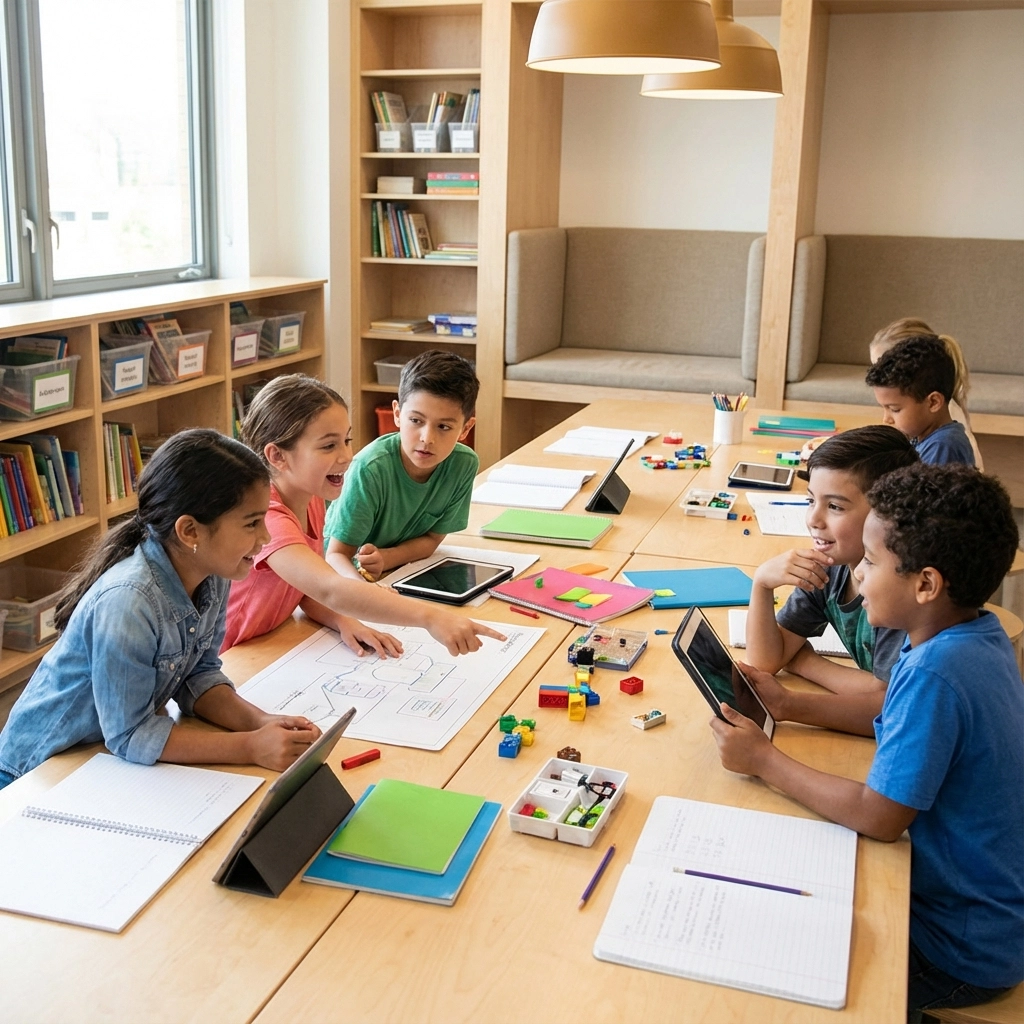
Understanding the brain science behind continuous learning helps explain why march break academic camps are so effective for children ages 8-10. During this developmental period, the brain undergoes significant changes that make consistent educational engagement particularly valuable.
Synaptic Development and Pruning
Between ages 8-10, children’s brains experience rapid synaptic development – the formation of connections between neurons. However, unused synaptic connections are also pruned away during this period. Regular academic stimulation helps preserve and strengthen the neural pathways associated with learning, while extended breaks can lead to the loss of these valuable connections.
Working Memory Enhancement
Working memory – the ability to hold and manipulate information in mind – develops significantly during the 8-10 age range. Academic enrichment activities that challenge children to remember instructions, follow multi-step processes, and integrate new information with existing knowledge help strengthen these crucial cognitive abilities.
Executive Function Development
The prefrontal cortex, responsible for executive functions like planning, organization, and impulse control, continues developing throughout childhood. Academic enrichment programs that require children to plan projects, organize their thoughts, and persist through challenges directly support healthy executive function development.
Addressing Common Parent Concerns
Many parents express concerns about enrolling their children in academic programs during school breaks. Understanding and addressing these concerns helps families make informed decisions about enrichment programs for kids.
“Won’t This Burn Out My Child?”
This concern reflects a misunderstanding of what quality academic enrichment entails. Effective Toronto educational camps are designed to be engaging, varied, and fun while maintaining educational value. Children don’t experience burnout when learning is:
- Hands-on and interactive
- Socially engaging
- Connected to their interests
- Appropriately challenging without being overwhelming
- Balanced with physical activity and creative expression
Research from the Ontario Institute for Studies in Education shows that children in well-designed academic programs during breaks report higher enjoyment levels and increased enthusiasm for learning compared to children who participate only in purely recreational activities.
“Shouldn’t Children Have Complete Rest During Breaks?”
While rest and relaxation are important, complete cognitive rest can be counterproductive for developing minds. The brain, like any muscle, maintains its strength through appropriate use rather than complete inactivity.
“Are Academic Camps Too Expensive?”
When considering the cost of spring break activities for children, it’s important to evaluate the long-term return on investment. Academic enrichment during breaks provides:
- Reduced need for remedial tutoring later
- Stronger academic foundation for future learning
- Enhanced confidence and motivation
- Development of study skills and learning strategies
- Social skills development through peer interaction
Many families find that investing in quality academic programming during breaks reduces the need for additional educational support throughout the school year.
Selecting the Right Academic Enrichment Program
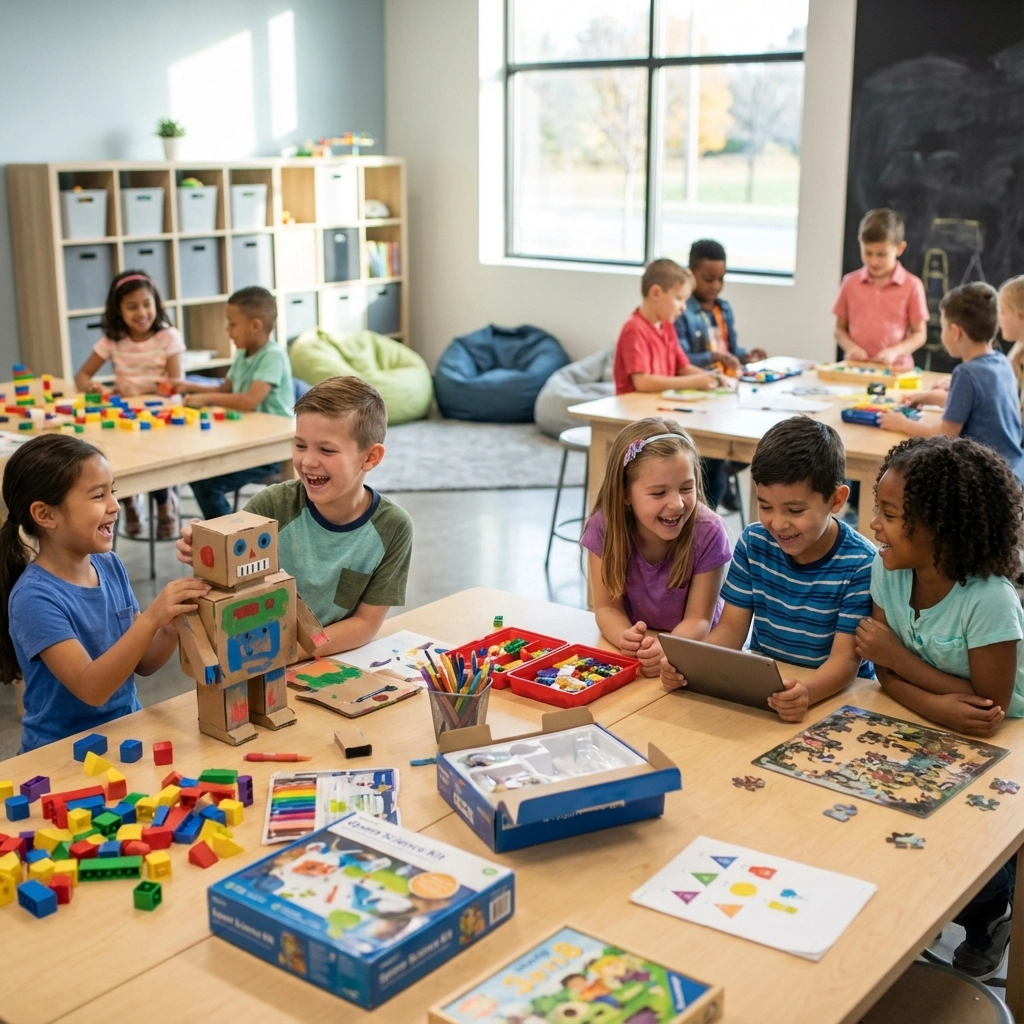
Choosing the appropriate academic enrichment program for your child requires careful consideration of multiple factors. The most effective programs for ages 8-10 share certain characteristics that parents should prioritize when making their selection.
Program Structure and Curriculum
Look for programs that offer:
Sequential Learning Progressions: Each day should build upon previous learning, creating a cohesive educational experience rather than isolated activities.
Integrated Subject Areas: Programs that connect multiple academic disciplines help children develop systems thinking and see relationships between different fields of knowledge.
Authentic Assessment: Quality programs assess children’s learning through project-based evaluations, portfolio development, and real-world applications rather than traditional tests.
Differentiated Instruction: Programs should accommodate different learning styles, academic levels, and interests within the 8-10 age range.
Instructor Qualifications and Approach
The quality of instruction makes or breaks any educational program. Seek programs where instructors:
- Hold relevant educational qualifications and experience working with elementary-age children
- Understand child development principles and age-appropriate pedagogical approaches
- Demonstrate enthusiasm for their subject matter and genuine enjoyment working with children
- Maintain appropriate instructor-to-student ratios (ideally 1:8 or better for this age group)
- Receive ongoing professional development and training
Learning Environment and Resources
The physical and social learning environment significantly impacts program effectiveness. Quality programs provide:
Appropriate Physical Spaces: Classrooms and activity areas should be designed for elementary-age children, with flexible furniture, adequate lighting, and safety considerations.
Quality Materials and Technology: Programs should have access to current resources, including educational technology, manipulatives, art supplies, and science equipment as appropriate.
Positive Social Climate: The program culture should emphasize cooperation, respect, mutual support, and celebration of learning achievements.
Communication and Family Engagement
Strong programs maintain open communication with families through:
- Daily updates on children’s activities and achievements
- Opportunities for parent feedback and input
- Clear information about learning objectives and outcomes
- Suggestions for extending learning at home
The Long-Term Impact of Academic Enrichment
The benefits of participating in march break academic camps extend far beyond the immediate week of programming. Longitudinal research tracking children who participated in academic enrichment during school breaks reveals significant long-term advantages.
Academic Performance Improvements
Students who regularly participate in academic enrichment programs during breaks demonstrate:
Sustained Academic Growth: Rather than experiencing the typical learning loss associated with school breaks, these children maintain or advance their academic levels.
Enhanced Problem-Solving Skills: Exposure to varied learning challenges develops flexible thinking abilities that transfer to all academic subjects.
Improved Study Skills: Children learn organizational strategies, time management, and learning techniques that benefit their regular school performance.
Increased Academic Confidence: Success in enrichment programs builds self-efficacy and reduces anxiety about challenging academic material.
Social and Emotional Development
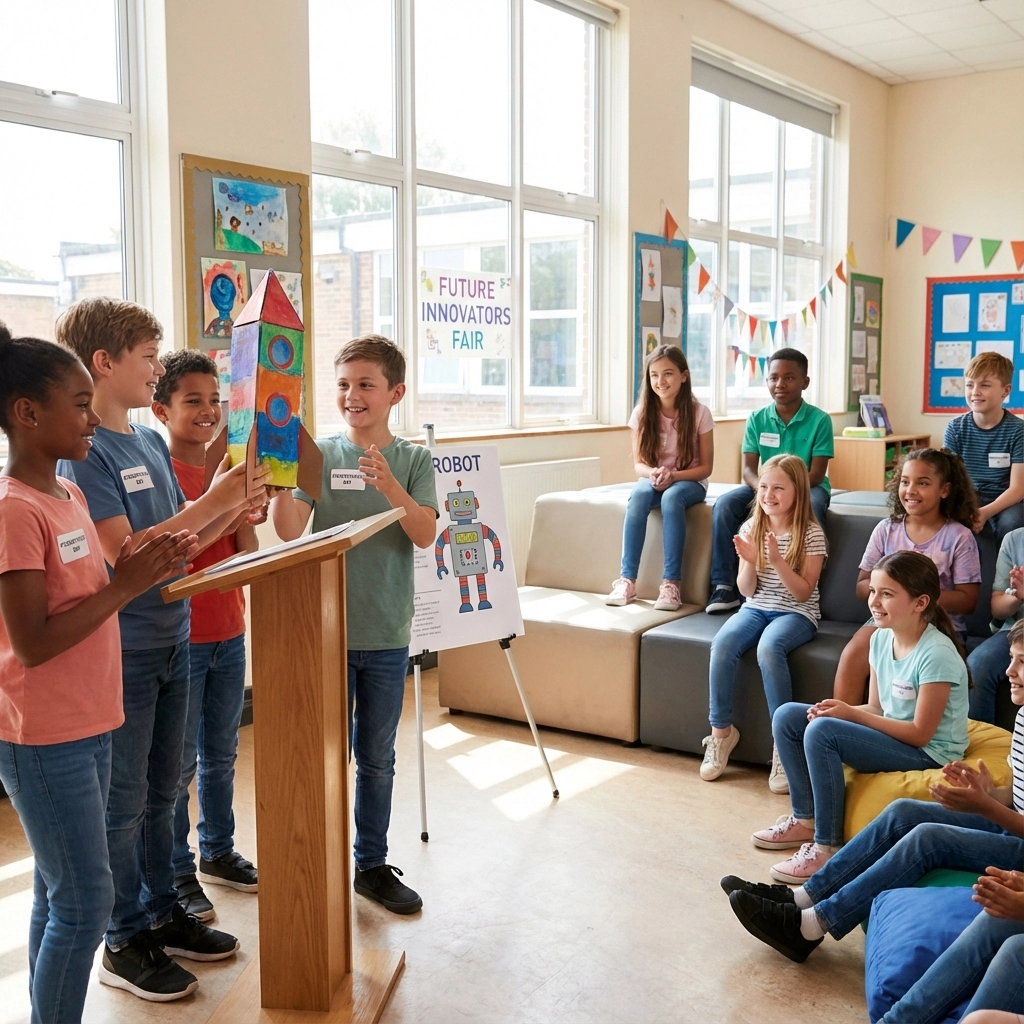
Academic enrichment programs also support crucial social-emotional growth:
Leadership Skills Development: Collaborative projects and group activities provide opportunities for children to practice leadership and communication skills.
Cultural Competency: Diverse program environments help children develop appreciation for different perspectives and backgrounds.
Resilience Building: Working through academic challenges in supportive environments helps children develop persistence and coping strategies.
Social Network Expansion: Children form friendships with peers who share their interest in learning and achievement.
Creating Continuity: Connecting Camp Learning to Home and School
Maximizing the benefits of enrichment programs for kids requires creating connections between camp experiences and children’s broader educational journey. Parents and educators can enhance program impact through intentional follow-up and extension activities.
Home Extension Strategies
Parents can extend camp learning through:
Project Continuation: Encourage children to continue working on camp projects or explore related topics at home through books, documentaries, or online resources.
Skill Application: Look for opportunities to apply camp-learned skills in daily life, such as using mathematical concepts during shopping trips or applying scientific thinking to household questions.
Reflection and Documentation: Help children document their learning through journals, photo albums, or presentations to family members.
Real-World Connections: Point out connections between camp learning and current events, family activities, or community experiences.
School Integration
Communicate with your child’s teachers about camp experiences:
- Share project outcomes and new skills developed during the program
- Discuss how camp learning connects to upcoming school curricula
- Provide teachers with examples of your child’s interests and learning preferences
- Encourage application of camp skills in school assignments and projects
The Role of Technology in Modern Academic Enrichment
Contemporary Toronto educational camps increasingly integrate technology as both a learning tool and subject of study. For children ages 8-10, appropriate technology integration can enhance learning while developing crucial digital literacy skills.
Educational Technology Benefits
When thoughtfully implemented, technology in academic enrichment provides:
Personalized Learning Experiences: Adaptive software can adjust difficulty levels and presentation styles to match individual learning needs and preferences.
Creative Expression Tools: Digital art programs, video creation software, and presentation tools enable children to express their learning in engaging, multimedia formats.
Collaborative Platforms: Technology facilitates collaboration with peers, allowing children to work together on projects even when physically separated.
Real-World Skill Development: Early exposure to educational technology helps children develop comfort and competency with tools they’ll use throughout their educational journey.
Balanced Technology Integration
Quality programs balance technology use with hands-on, offline activities. The most effective approach uses technology to enhance rather than replace traditional learning experiences. Children ages 8-10 benefit most when technology integration:
- Supports rather than dominates learning activities
- Encourages creativity and problem-solving rather than passive consumption
- Includes explicit instruction in digital citizenship and online safety
- Maintains appropriate screen time limits and includes regular breaks
Measuring Success: Assessment in Academic Enrichment Programs
Effective academic enrichment programs employ multiple assessment strategies to track children’s progress and demonstrate learning outcomes. Unlike traditional school assessments, enrichment program evaluations focus on growth, creativity, and real-world application of knowledge.
Authentic Assessment Approaches
Quality programs utilize:
Portfolio Development: Children compile collections of their work, demonstrating progress over time and reflecting on their learning journey.
Project-Based Evaluation: Real-world projects allow children to demonstrate knowledge application and creative problem-solving abilities.
Peer Assessment: Children learn to evaluate their own and others’ work constructively, developing critical thinking and communication skills.
Self-Reflection Activities: Regular opportunities for children to assess their own learning help develop metacognitive awareness and learning strategies.
Progress Communication
Strong programs communicate children’s progress through:
- Narrative evaluations that describe specific achievements and growth areas
- Work samples and documentation of learning processes
- Goal-setting conferences that involve children in planning their continued learning
- Suggestions for extending learning beyond the program
Building Community Through Academic Enrichment
March break academic camps serve as community-building experiences that connect families with shared educational values. These connections often extend beyond the program period, creating supportive networks that benefit children’s ongoing educational journey.
Peer Relationships
Academic enrichment programs help children form meaningful friendships based on shared interests and learning goals. These relationships often:
- Provide motivation for continued academic engagement
- Create study partnerships and collaborative learning opportunities
- Expose children to diverse perspectives and problem-solving approaches
- Build social skills in academic contexts
Family Networks
Parents whose children participate in academic enrichment often form connections that provide:
- Shared resources and educational recommendations
- Carpooling and logistical support for future educational activities
- Collaborative planning for continued enrichment opportunities
- Emotional support and encouragement for educational decision-making
The Economic Impact of Educational Investment
Investing in spring break activities for children that emphasize academic enrichment provides significant economic returns, both for individual families and society as a whole.
Individual Family Benefits
Families who invest in academic enrichment during school breaks often experience:
Reduced Tutoring Costs: Children who maintain academic momentum during breaks typically require less remedial support during the school year.
Enhanced Educational Opportunities: Strong academic foundations open doors to selective programs, scholarships, and advanced educational opportunities.
Improved Life Outcomes: Students with consistent educational enrichment demonstrate higher graduation rates, college attendance, and career earnings.
Increased Educational Efficiency: Children who maintain learning momentum progress more efficiently through their educational journey.
Societal Benefits
Communities that support academic enrichment programming benefit from:
- Higher overall educational achievement levels
- Increased innovation and entrepreneurship
- Stronger economic competitiveness
- Reduced educational inequality
- Enhanced social cohesion through shared educational values
Future Trends in Academic Enrichment
The field of academic enrichment continues evolving, incorporating new research insights and responding to changing educational needs. Understanding emerging trends helps families make informed decisions about enrichment programs for kids.
Personalized Learning Pathways
Advanced academic programs increasingly offer individualized learning experiences tailored to each child’s interests, learning style, and academic level. This personalization enables:
- More effective skill development
- Higher engagement and motivation
- Better accommodation of diverse learning needs
- Improved learning outcomes
Interdisciplinary Integration
Modern enrichment programs break down traditional subject boundaries, helping children see connections between different fields of knowledge. This approach:
- Mirrors real-world problem-solving scenarios
- Develops systems thinking capabilities
- Increases engagement through relevant, connected learning
- Prepares children for future educational and career success
Global Perspective Integration
As the world becomes increasingly connected, academic enrichment programs incorporate global perspectives and international collaboration opportunities. Children develop:
- Cultural competency and international awareness
- Foreign language exposure and communication skills
- Understanding of global challenges and opportunities
- Preparation for success in an interconnected world
Making the Decision: Is Academic Enrichment Right for Your Child?
Deciding whether to enroll your child in march break academic camps requires careful consideration of your child’s individual needs, interests, and learning style. While academic enrichment offers significant benefits, it’s not automatically the right choice for every child or family situation.
Signs Your Child Might Benefit
Consider academic enrichment if your child:
- Shows curiosity about learning beyond school requirements
- Enjoys collaborative projects and group activities
- Benefits from structured environments and clear expectations
- Expresses interest in exploring new subjects or deepening existing knowledge
- Responds well to hands-on, interactive learning experiences
- Demonstrates readiness for intellectual challenges
Alternative Considerations
Academic enrichment might not be appropriate if your child:
- Shows signs of academic stress or burnout
- Strongly prefers unstructured, independent activities
- Has specific therapeutic or developmental needs requiring specialized attention
- Would benefit more from purely recreational activities
Remember that there’s no single “right” choice for all children. The most important factor is selecting activities that support your child’s individual development and well-being.
The Ignite Academy Difference
At Ignite Academy, our approach to academic enrichment during March Break reflects our commitment to nurturing future innovators and entrepreneurs. Our unique programming methodology combines rigorous academic content with entrepreneurial thinking, creating learning experiences that prepare children for success in an rapidly changing world.
Our March Break Philosophy
Our March Break programming operates on the principle that learning should be:
Joyful and Engaging: Children learn best when they’re excited about their activities and feel genuine enjoyment in their educational experiences.
Relevant and Applicable: Academic concepts are most meaningful when children can see their real-world applications and connections to their own lives and interests.
Collaborative and Social: Learning happens most effectively in community, where children can share ideas, learn from peers, and develop social skills alongside academic capabilities.
Creative and Innovative: We encourage children to think outside conventional boundaries, developing creativity and innovation skills that will serve them throughout their lives.
Comprehensive Approach
Our March Break programming integrates multiple elements:
- Core academic skill reinforcement through engaging, hands-on activities
- Introduction to entrepreneurial concepts appropriate for ages 8-10
- Development of 21st-century skills including critical thinking, collaboration, and creativity
- Character development emphasizing integrity, perseverance, and empathy
- Real-world problem-solving opportunities that help children see the relevance of their learning
For families interested in exploring our approach further, we offer free workshop series that provide a preview of our methodology and learning environment.
Conclusion: Investing in Your Child’s Educational Future
The decision to enroll your child in march break academic camps represents an investment in their long-term educational success and personal development. For children ages 8-10, these crucial years of cognitive development benefit enormously from consistent, engaging educational experiences that maintain learning momentum while providing the variety and excitement they crave during school breaks.
Quality enrichment programs for kids in Toronto offer far more than academic skill development. They provide opportunities for social growth, creative expression, problem-solving experience, and confidence building that extend far beyond the program period. Children who participate in well-designed academic enrichment during school breaks consistently demonstrate enhanced academic performance, improved study skills, and increased enthusiasm for learning.
The research is clear: consistent educational engagement during school breaks helps children maintain and advance their academic capabilities while developing crucial life skills. Toronto educational camps that prioritize both academic rigor and student engagement provide ideal environments for this continued growth.
As you consider your options for March Break 2026, remember that the most effective spring break activities for children are those that balance educational value with genuine enjoyment. Your child should emerge from their March Break experience excited about learning, confident in their abilities, and eager to apply their new knowledge and skills.
At Ignite Academy, we’re committed to providing exactly this type of transformative educational experience. Our comprehensive approach to academic enrichment recognizes the unique developmental needs of children ages 8-10 while preparing them for success in an increasingly complex and interconnected world.
The investment you make in your child’s academic enrichment during March Break pays dividends throughout their educational journey and beyond. By choosing programs that maintain learning momentum while nurturing curiosity, creativity, and confidence, you’re giving your child tools that will serve them well throughout their academic career and into their future success as innovative, capable, and confident individuals.
To learn more about Ignite Academy’s March Break programming and how we can support your child’s educational journey, contact us today or explore our programs for parents seeking the best educational opportunities for their children.